Yoga Class Break Fluffy Favourites Slot Wellness Experience in Britain
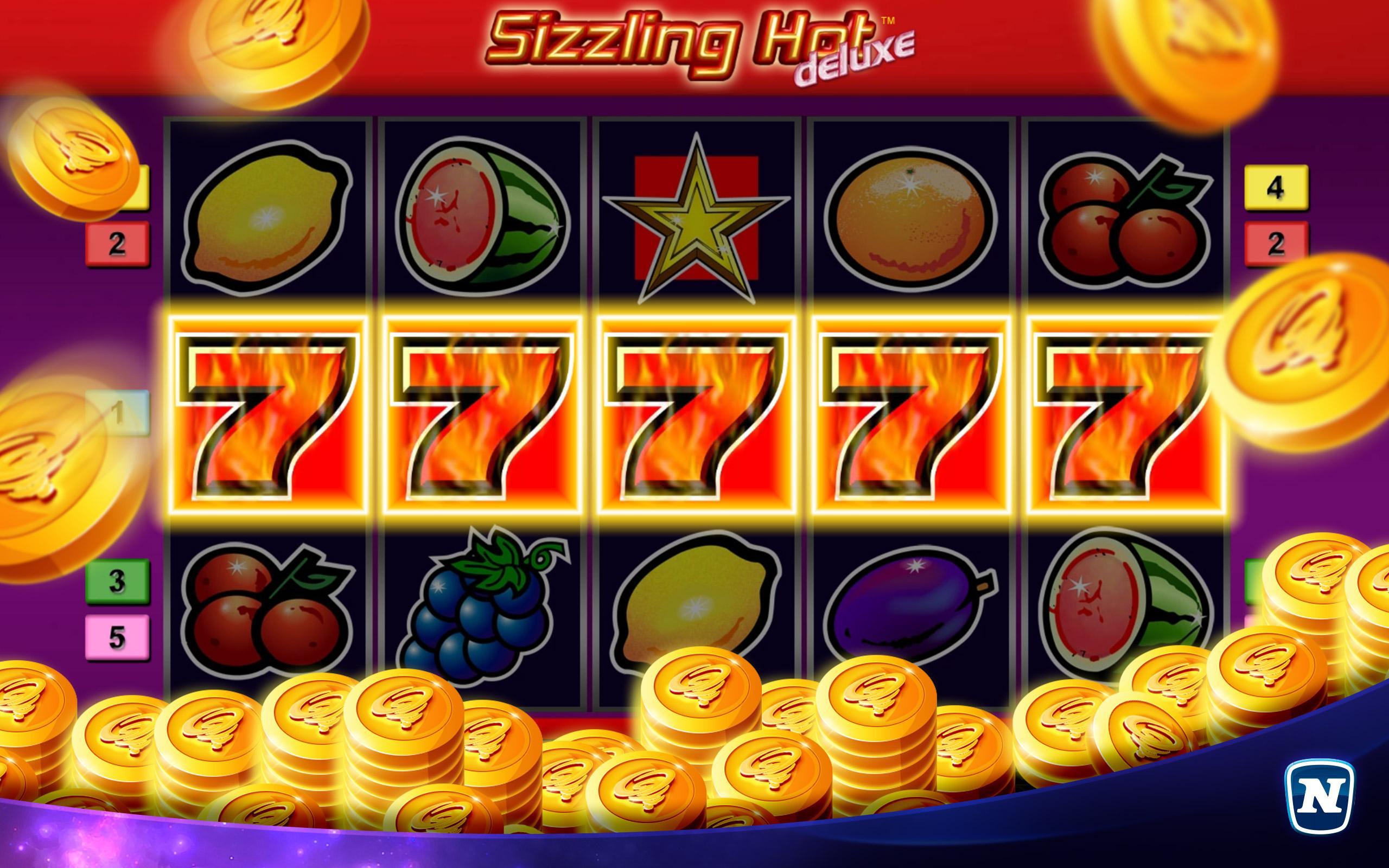
Something new is taking place in yoga studios around the UK. In the quiet minutes after a class, you may notice someone looking at their device, not browsing social networks, but playing the Fluffy Favourites online slot. This unusual combination of deep mindfulness and light digital play is turning into a familiar part of the modern wellness ritual.
Psychological Perspectives on Attentional Switching
Researchers find benefit in planned mental breaks. Theories like “attention restoration” indicate that effortless, enjoyable stimuli can help refill our capacity for focus. A game like Fluffy Favourites, with its straightforward, charming visuals, fits the bill.
Transitioning from the mindful state of yoga to a task demanding minimal thought activates different parts of the brain. This can avoid the mental fog that occasionally follows focusing on one thing for too long, helping you feel fresher for the next activity.
This isn’t about checking out entirely. It’s about shifting to a easier mode of attention. It enables the brain regions taxed by physical coordination recover, while gently stimulating the visual and reward centres. The result is a fuller break than just gazing blankly.
The Function of Soft Reward Systems
Slot games work on random rewards, providing small, frequent wins. In a quick, managed session, these spark minor releases of dopamine. This produces a flicker of mild pleasure without the severity of serious gambling. That subtle positive feeling can counteract any remaining physical tiredness from the yoga.
The key point is that, performed briefly and lightly, this remains in the realm of play. The goal isn’t money. It’s the safe thrill of anticipation and a possible reward, which can lift your mood before you head back to reality. The actual size of any win is beside the point.
This extrinsic, random reward is not at all like the intrinsic rewards of yoga, such as inner calm or physical achievement. That distinction is useful. The brain appreciates the change, so coming back to mindful or social activities appears less like an duty and more like a new choice.
The Meeting of Meditation and Today’s Entertainment
Wellness culture often tells us to disconnect from our devices, but people are discovering a balance. After an hour of focused breath and movement, the brain occasionally requires a particular type of pause. It’s not total silence, but a shift to something different. A couple of minutes with a vivid, straightforward game like Fluffy Favourites offers that mental shift, a cognitive refresh between periods of sustained attention.
This indicates a shift in how we view self-care. Wellness is no longer just about discipline and sacrifice. It can involve a piece of effortless enjoyment. For certain people, the transition from guided meditation to spontaneous play enhances both. The mind resets better with this contrast than it might in total quiet.
This is most visible in urban studios with packed schedules. A yogi wraps up a vigorous Ashtanga class, has ten minutes before a sound bath, and uses that time for this digital break. It’s a practical approach to well-being, utilizing different methods consecutively to influence your mood.
How the “Yoga Break” Tradition Appears
Such a scenario usually occurs in the gap between a yoga class and what follows, or during a extended workshop break. Participants put away their mats, reach for their phones, and choose some spins on a known game rather than entering the stressful world of social media feeds.
It is a private, personal method to relax. The game serves as a psychological buffer, a shift from the internal focus of yoga to the socialising in the café afterward. Instructors consider it a regular self-directed practice rather than a scheduled event.
- A Transitional Cushion: It forms a link from profound mindfulness back to casual socialising.
- Regulated Engagement: It offers predictable mild interaction, unlike the chaotic digital feed.
- Individual Habit: For many participants, it’s a personal repeated component of their wellness routine.
- Non-competitive: Zero social stress or competition are involved, keeping the interval stress-free.
The practice often follows a tangible pattern: mat away, phone out, maybe headphones in. This sequence acts as a signal to de-stress. The person stays in the studio’s calm space, but they shift their focus to a virtual space designed for momentary consequence-free delight.
Exploring the Fluffy Favourites Slot Charm
Fluffy Favourites is a popular online slot, known for its charming theme and simple design. The game is designed for relaxed fun. Its look is mellow and reminiscent, full of plush toy animals like pandas and elephants against a cheerful, cloud-filled sky.
Playing it is simple. You’ll find no intricate rules or stressful decisions to handle. This accessibility is why it fits into a short break. You can play for a few minutes without mastering any tactics or putting in emotion, which makes it a handy tool within a broader wellness plan.
Essential Characteristics of the Game
A few design choices explain why it works in this setting. The colours are all soft colors and soft hues, which appear soothing to view. The music is cheerful but soft, with no sharp sounds that could shatter a peaceful mood.
The visuals and effects are fanciful and inviting. The main “Toybox” bonus round lets players choose toys to reveal prizes, a mechanic that seems gratifying without being complicated. United, these elements form a digital space that appears detached from work stress or deep thought.
It has no narrative to chase or scoreboard to compete on. There’s no need to accomplish anything. This lack of extended goals suits a short break ideally. You can quit at any moment without leaving a task unfinished, making it convenient to return to your next wellness activity.
Contrasting Relaxation Modalities: Yoga vs. Gaming
Yoga and casual slot gaming are on opposite ends of the relaxation spectrum. Yoga is active and disciplined, seeking mind-body connection through breath and movement. It’s intentional, often directed toward goals like flexibility or peace. The engagement is bodily and turned inward.
The relaxation from Fluffy Favourites is inactive and originates from outside. It asks for little effort and delivers distraction. Your focus shifts outward to colourful graphics and simple outcomes. This clear difference is why using them in sequence is effective for some people.
- Yoga: Engaged discipline, inward focus, mind-body connection, goal-oriented.
- Casual Slot Play: Inactive engagement, outward focus, distraction-based, no goals.
- Combined Effect: The sequence uses active calming followed by passive mental release, which can deepen overall relaxation.
Think of it like a meal. Yoga is the healthy main course for well-being. The brief gaming interlude is a minor dessert, providing a different kind of satisfaction. One doesn’t nullify the other. They fulfill our basic need for variety in how we relax and stimulate our minds.
The dichotomy fulfills an emotional purpose too. Yoga’s self-improvement angle can sometimes introduce subtle pressure. The slot game, with its complete lack of any improvement agenda, provides permission for pure, pointless fun. It can erase any lingering performance anxiety from the yoga session itself.
Considerations for Balanced Engagement
This trend shows creative leisure mixing, but it demands awareness. The break’s main job is rejuvenation. Setting clear limits on time and money is essential to make sure the game supports your well-being instead of eroding it.
Wellness coaches recommend treating the game like a cup of tea or a short stroll—a purposeful, timed pause. It shouldn’t become the break’s main event or take away from time for mindfulness or conversation. Paying attention to your own habit-forming inclinations matters too.
Setting Healthy Boundaries
Keeping things in check involves straightforward steps. Use a timer to cap your play at a few minutes, so the break doesn’t slip away. Money-wise, stick to bonus features or set a strict, tiny loss limit to ensure it’s a leisure expense, not a financial one.
Above all, it should feel like a mindful choice. If the game starts to feel like a urge or brings frustration, it’s lost its purpose as a soothing interlude. The ritual only works if it’s regulated, voluntary, and short.

Here are some useful strategies for setting those boundaries:
- Pre-commitment: Decide on a time limit (say, 5 minutes) and a spending limit (maybe £1 maximum) before you even open the app.
- Environmental Cues: Keep your phone on silent and put it away the instant the timer goes off.
- Alternative Breaks: Mix it up. Some days, swap the game for reading or gentle stretching to avoid forming a fixed routine.
- Self-Check-ins: Ask yourself now and then: “Does this still feel like a fun choice, or has it become routine?”
These steps help ensure the activity stays a tool you use, rather than one that uses you. The aim is to preserve the integrity of your wider wellness journey.
Frequently Asked Questions
What exactly is the Fluffy Favourites slot game?
Fluffy Favourites is a widely played online slot game with a soft toy animal theme. It’s famous for its pastel colours, easy gameplay, and elements like the “Toybox” bonus. Its design focuses on gentle, low-stress fun, which has established it a go-to for casual, short play sessions.
Why does someone play a slot game after a yoga class?
People use it as a mental buffer. After the deep focus of yoga, a few minutes of simple play helps the mind shift gears before heading to daily life. It offers light, distraction-based relaxation that contrasts sharply with the disciplined mindfulness of the prior activity.
Is this combination not inconsistent to wellness principles?
Today’s idea of wellness encompasses holistic balance, which can make room for balanced digital fun. The apparent contradiction is often the whole idea. The sharp contrast between activities can help the mind reset more successfully. The key is deliberate, controlled use where the game acts as a brief tool, not a major commitment.
How do ensure this habit remains healthy?
Set strict limits. Use a three-minute timer. Decide on money—only use free spins or a minor, fixed amount you’re happy to lose. Treat it as a intentional short break. If it feels addictive or causes any negative emotion, stop. The activity must feel like a option, not a need, to be beneficial.
Are there risks associated with this trend?
Any gaming has possible risks if you don’t set boundaries. The main risks are that it supplants more restorative breaks like quiet reflection or talking with friends, and that it could turn into a routine, longer play session. For anyone with a history of gambling issues, even casual play is not suggested.
Would yoga instructors endorse this practice?
Instructors don’t normally promote or endorse gaming https://fluffyfavourites.eu.com/. Most see it as a personal choice students make on their own time. The general philosophy tends toward non-judgment, stressing that students should develop self-awareness about what genuinely nurtures their own sense of balance.